Learn About the Benefits of Assisted Living: A Detailed Guide to Community and Care
Assisted living delivers a unique blend of personalized care and community support for elderly individuals and adults with special needs. It emphasizes individual needs while fostering an environment that encourages independence. Many may question about the specific benefits that these living arrangements offer. Understanding the essential elements of assisted living can reveal how it elevates quality of life. What factors should one consider when exploring these options?
Learning About Assisted Living: What It Is and Who It Serves
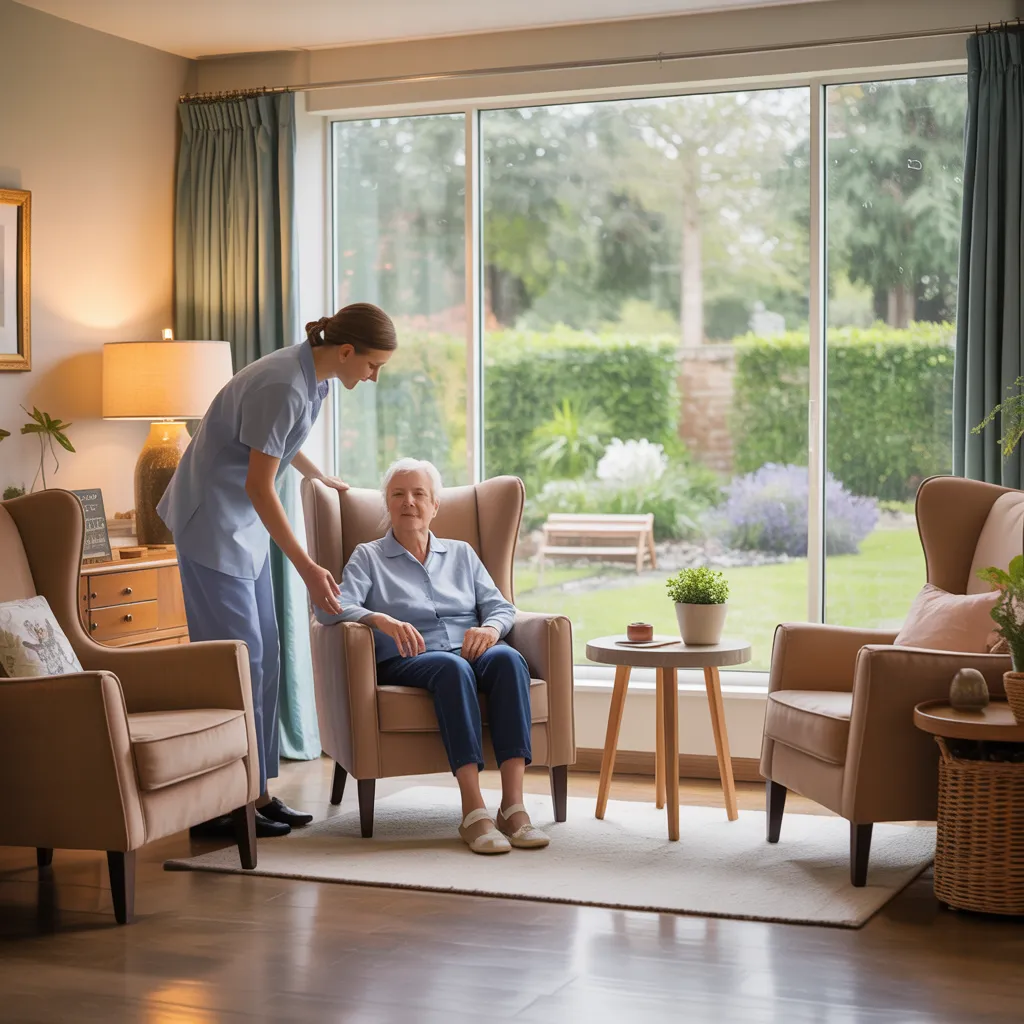
Assisted living works as a caring residential choice for those who call for support with routine tasks while keeping a sense of independence. This form of living arrangement provides primarily to elderly individuals and adults with disabilities, offering a blend of personal care services and collective living. Residents commonly benefit from support with duties such as bathing, dressing, and medication management, while still preserving their privacy and autonomy. Assisted living communities typically feature multiple amenities, including community events, dining services, and transportation services, encouraging a sense of community. The setting is structured to foster both safety and social engagement, making it an desirable option for those who want support without losing their independence.
Customized Care Plans: Customizing Support to Individual Needs
Many assisted living facilities emphasize personalized care plans to guarantee that each resident obtains support tailored to their unique needs and preferences. These plans are established through thorough assessments that examine medical history, daily routines, and individual goals. Care teams, made up of nurses and caregivers, work together with residents and their families to establish a holistic approach that boosts quality of life. This customized support can address various aspects, such as medication management, personal hygiene, and nutritional needs. By focusing on individual requirements, centers can promote a sense of dignity and independence in residents. Personalized care plans not only boost the overall well-being of individuals but also support a more fulfilling living experience within the community, ensuring that each resident feels valued and understood.
The Importance of Social Connections in Assisted Living
Whereas the transition to assisted living can be demanding for some, the creation of social connections plays an vital role in enhancing residents' overall well-being. These connections offer emotional support and foster a sense of belonging, substantially reducing feelings of isolation and loneliness. Interacting with peers encourages participation in community activities, contributing to improved mental and physical health outcomes. Social interactions stimulate cognitive function and promote a positive outlook on life, which are essential for seniors adjusting to new environments. Moreover, friendships formed in assisted living facilities often lead to shared experiences, improving the quality of life. Finally, the importance of social connections cannot be overstated, as they are essential in creating a thriving, supportive community for residents.

Protection and Safety: A Serene Setting for Seniors
Security and safety are of utmost importance in assisted living facilities, ensuring a peaceful atmosphere for seniors. With around-the-clock staff accessibility, secure living spaces, and reliable emergency response systems, residents can feel protected and supported at all times. This focus on safety not only improves wellness but also fosters a sense of community among seniors.
Around-the-Clock Staff Support
Personnel availability in assisted living facilities is crucial for ensuring a safe and tranquil environment for seniors. A sufficiently staffed facility confirms that residents receive swift assistance, whether for routine activities or emergencies. Trained professionals are accessible around the clock, fostering a sense of safety that is crucial for seniors and their families. In addition, steady staff presence encourages social interaction, reducing feelings of loneliness and isolation. With proper staffing, caregivers can form meaningful relationships with residents, enhancing their overall wellness. Facilities that value staff availability display a commitment to high-quality care, confirming that seniors feel cherished and helped in their living environment. This availability is essential for maintaining both physical safety and emotional comfort.
Safe Residential Environments
A safeguarded living area is crucial for nurturing a calm environment for seniors in assisted living facilities. These environments are created with security elements such as protected entry points, properly lighted passages, and monitoring systems to verify residents feel protected. The layout often decreases dangers, with user-friendly design features that support mobility aids and reduce falls. Staff members are educated to monitor the environment and respond to any safety concerns, further enhancing residents' sense of security. Additionally, community areas are typically secured to promote a sense of safety while encouraging social interaction. By highlighting security, assisted living facilities develop a soothing atmosphere that permits seniors to focus on appreciating their lifestyle, knowing their safety is protected.
Critical Response Systems
Effective emergency response systems are vital in maintaining the safety of seniors in assisted living communities. These systems are developed to offer prompt assistance in instances of medical emergencies, falls, or other urgent incidents. Typically, they include elements like pull cords, wearable alert devices, and 24/7 monitoring services, enabling residents to call for help quickly. Furthermore, staff members are trained to respond quickly to any alarms, guaranteeing that residents receive timely care. The presence of these systems not only strengthens safety but also fosters a sense of security among residents and their families. By creating a secure environment, emergency response systems add greatly to the overall quality of life in assisted living residences, permitting seniors to maintain their independence with confidence.
Engaging Programs and Initiatives: Cultivating a Dynamic Community
Even though residents in assisted living communities frequently seek support for daily activities, engaging programs and activities play a vital role in fostering a vibrant community. These initiatives encourage socialization, creativity, and mental stimulation, serving to combat feelings of isolation that can accompany aging. Residents can participate in a variety of offerings, including fitness classes, art workshops, and group outings. Such programs not only promote physical health but also enhance emotional health. Additionally, themed events and celebrations create opportunities for residents to connect with one another, forming lasting friendships. By focusing on these engaging experiences, assisted living communities cultivate an atmosphere where residents feel valued, inspired, and actively engaged with their surroundings, ultimately enhancing their quality of life.
Financial Aspects: Making Assisted Living Affordable
Comprehending the financial elements of assisted living is essential for families considering this option. A detailed breakdown of costs, available financial aid programs, and practical budgeting strategies can help make care more cost-effective. This discussion seeks to explain these elements, ensuring well-informed choices can be made.
Understanding Cost Structure
Maneuvering the costs associated with assisted living can be difficult, specifically for families aiming to make informed financial decisions. Understanding the breakdown of expenses is vital. Monthly fees typically cover housing, meals, and basic care services, but additional costs may emerge for specialized medical care, therapies, or personal assistance. Location can greatly influence pricing, as urban facilities often charge more than rural ones. Families should also consider upfront fees, security deposits, and potential increases in rates over time. It is vital to evaluate what services are included in the base rate, ensuring there are no hidden fees. By thoroughly examining these factors, families can better prepare for the financial commitments of assisted living, ensuring a easier shift for their loved ones.
Funding Assistance Alternatives
How do families handle the financial aspects of assisted living? Several funding resources can help lighten the financial load. Some costs may be covered by long-term care insurance, subject to the policy. Veterans may also access benefits via the Department of Veterans Affairs, supplying financial aid for assisted living. Medicaid options vary by state and can help those who satisfy eligibility standards, covering care costs. Several residences offer flexible payment structures tied to income, increasing affordability. Lastly, families may consider personal funds or contributions from relatives to address remaining costs. Awareness of these financial tools is important for informed assisted living selections.
Budgeting for Care
Managing the financial landscape of assisted living demands meticulous planning and consideration. Individuals must first assess their financial resources, including funds, pensions, and potential income from investments. It is vital to understand the costs associated with various facilities, as expenses can vary greatly based on location, services offered, and level of care required. Additionally, exploring financial assistance options, such as veterans' benefits or Medicaid, can provide necessary support. Creating a detailed budget that includes not only monthly fees but also potential out-of-pocket expenses for personal care or medical needs is essential. By carefully managing finances, families can make informed decisions, ensuring that quality care remains accessible while minimizing financial strain.
Common Questions
What Types of Dietary Options Are Available in Assisted Living Facilities?
Assisted living communities generally provide diverse meal choices, including well-rounded meal plans, customized meal plans for medical needs, plant-based meal options, and multicultural food options, making certain residents receive nourishing and palatable cuisine tailored to their needs.
Are Pets Permitted for Residents Living in Assisted Living?
Several assisted living facilities permit residents to keep pets, recognizing the emotional benefits animals provide. Yet, specific policies fluctuate by facility, so future residents should ask about any restrictions or requirements pertaining to practical advice pet ownership.
How Do Assisted Living Communities Handle Medication Management?
Prescription drugs in assisted living residences are usually administered by qualified staff who oversee administration, monitor dosages, and confirm timely intake. Residents receive customized care plans, enhancing adherence and promoting overall health and well-being.
What Takes Place When a Resident's Health Requirements Change?
When a resident's health requirements shift, assisted living communities reevaluate their care plan, possibly boosting support services or working with healthcare providers to provide appropriate medical attention, elevating the resident's overall quality of life and comfort.
Is Family Member Participation Permitted in Care Planning?
Yes, relatives are welcome to participate in care planning. Their involvement is encouraged to make certain that the resident's values, needs, and preferences are acknowledged, fostering a team-based approach to customized care within assisted living communities.